
Virtual Demo Day
Tokyo - Tuesday, Sept. 15, 2026 | 9:30 AM
Silicon Valley - Monday, September 14, 2026 | 5:30 PM
Explore New Japanese MedTech Startup Without Leaving your office!
Join our virtual demo day where companies from our cohort of 20 Japanese medical technology startups pitch live to US investors, health systems and commercial partners. For most of them, it is the first time.
Simultaneous Global Broadcast
Silicon Valley
- Sept 14, 2026
- 5:30 PM - 7:30 PM PDT
Tokyo
- Sept 15, 2026
- 9:30 AM - 11:30 AM JST
EVENT INFORMATION
- Length: 2 Hours
- Virtual Interactive Venue
- Language: English
- Cost: Free (Registration Required)
Why Japan? Why Now?
Japanese startups build, but the world rarely sees the results.
Japan's market for medical devices is among the world's largest, and its research base is world class. Its hospitals run some of the highest procedure volumes anywhere. Its engineering culture produces devices with a precision and reliability that clinicians notice immediately.
And yet a striking amount of that innovation never crosses the Pacific. Language, regulatory distance, and a domestic market large enough to be comfortable have kept extraordinary technology inside Japan for years.
That is changing, and this here is the proof. Come and hear founders that are seeing the US as their main target market and building their products for it.
Demo Day is where that starts.
Expert Panel of Judges
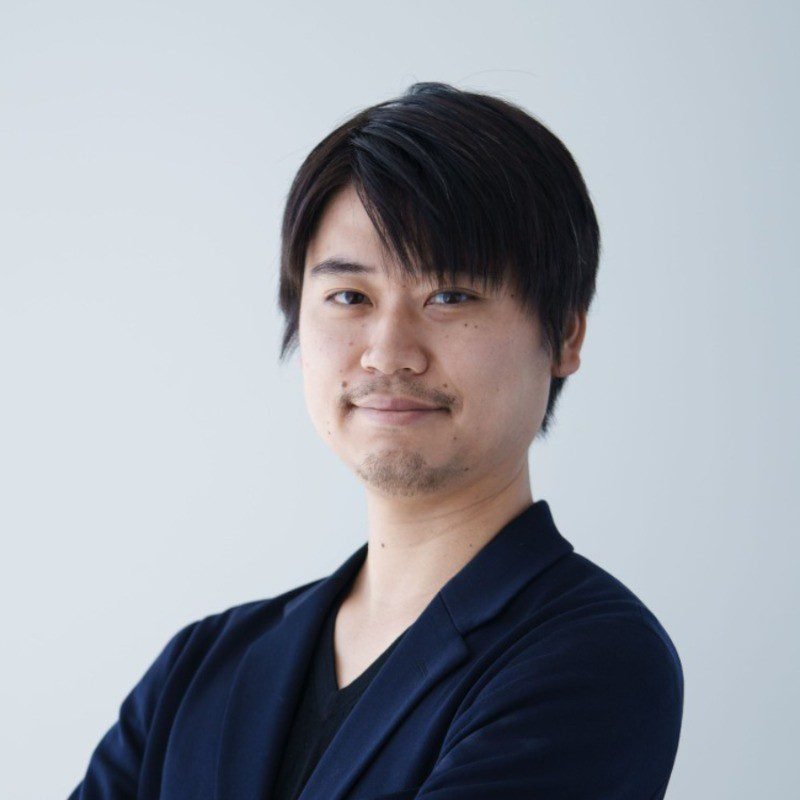
Seiya Takahashi
Principal at DG Incubation (DGI)
A Principal at DG Incubation (DGI), the venture capital and incubation arm of the Digital Garage Group, working closely with startups to drive innovation.
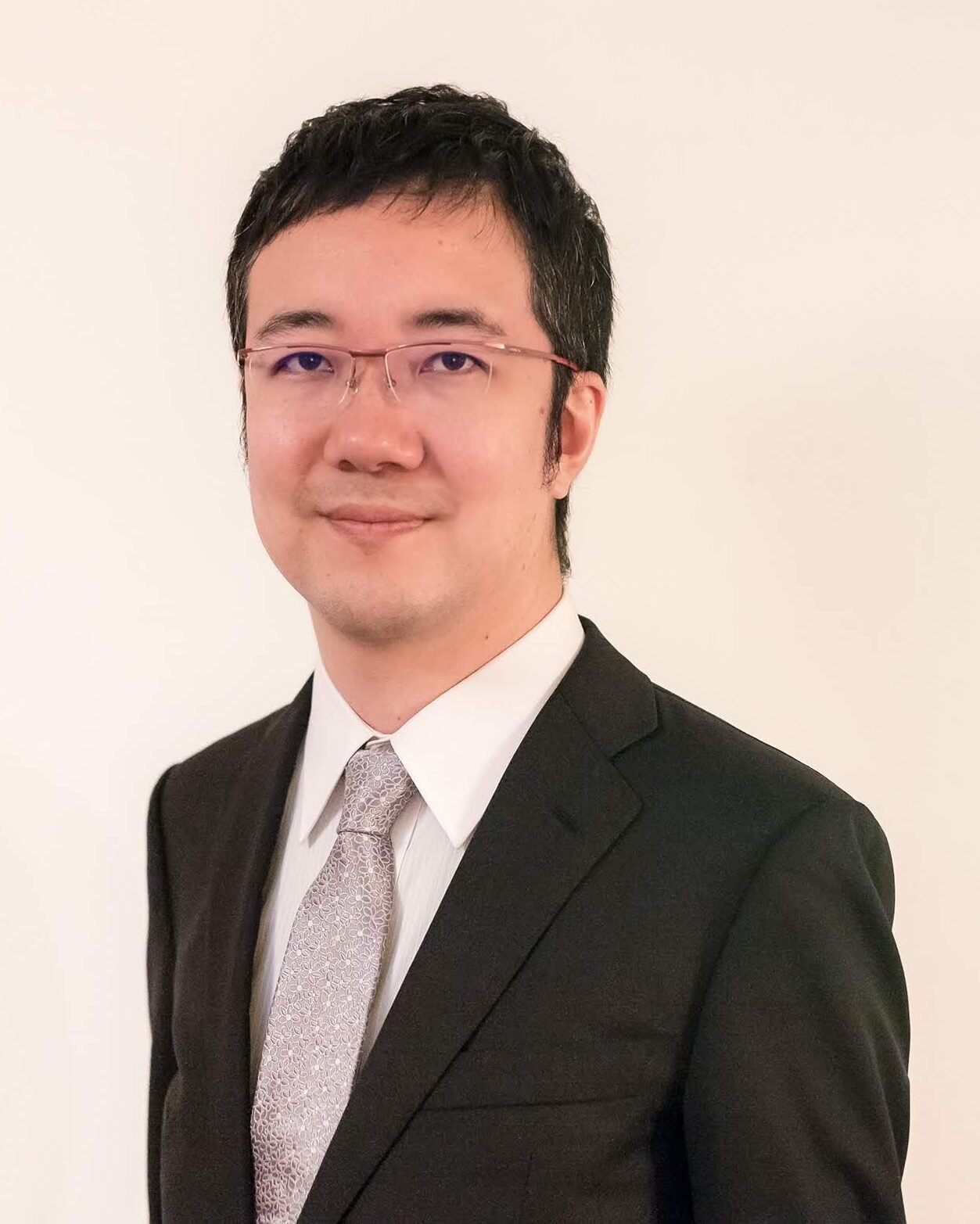
Shinya Kasuga
General Partner, IT-Farm
IT-Farm is one of Japan’s first cross-border tech VC since 1999, investing in 150 startups across US, Europe, Asia, and Japan.
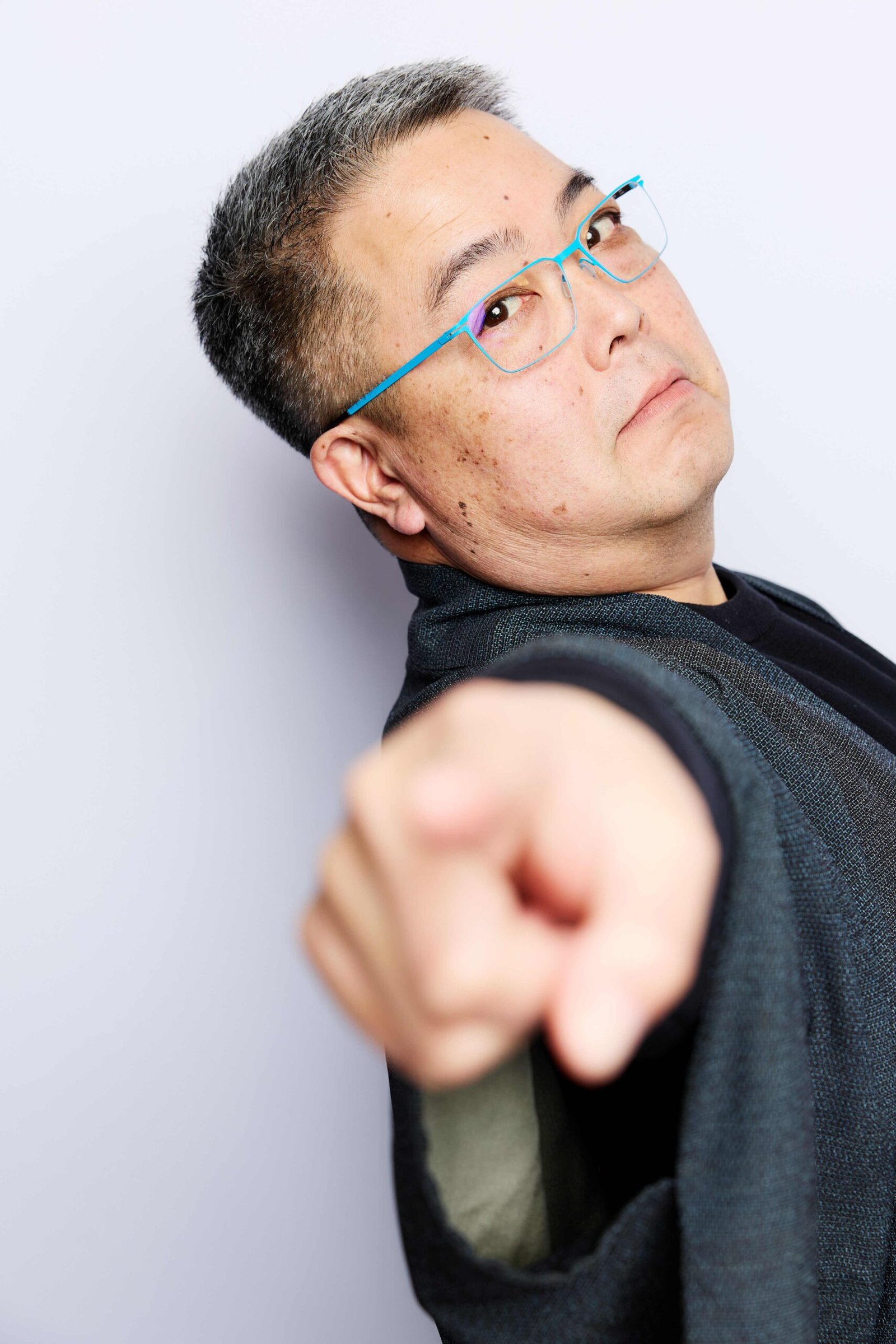
Gregg Shibata
Sr Principal, Corp-Dev, Blue Shield of California
Gregg Yoshito Shibata (柴田 義人) is a 25-year healthcare veteran who leads strategic investments at Blue Shield of California.
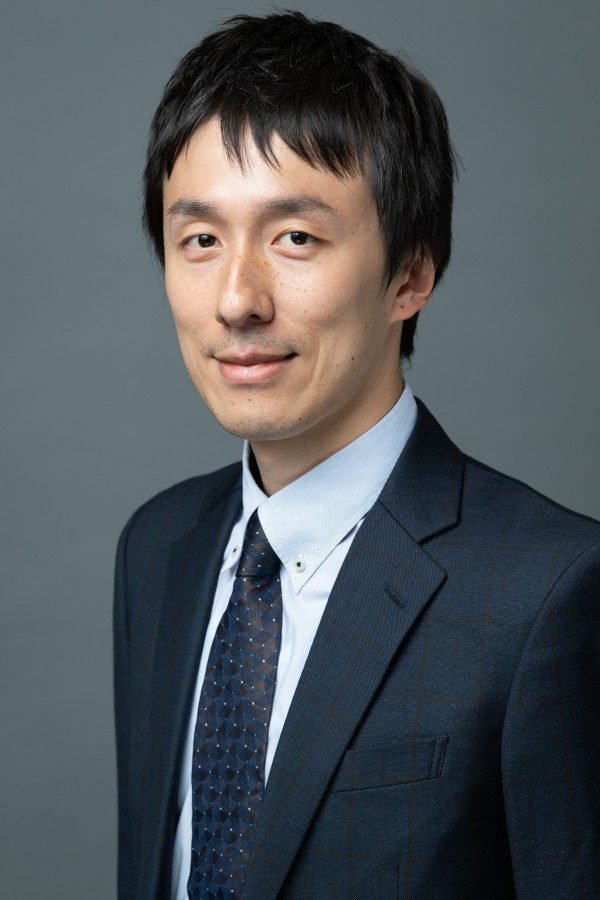
Minoru Sasaki
Director, Nippon Life Global Investors Americas, Inc.
Based in the Silicon Valley office of Nippon Life Global Investors Americas, Inc. (NLGIA), Minoru Sasaki invests in venture capital funds and startups.
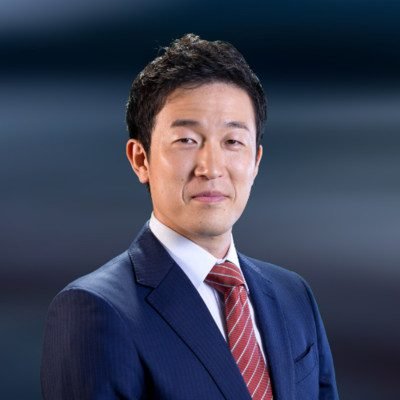
Yohichi Sakagawa
Senior Manager, MedVenture Partners
Participated in investments for dozens of companies domestically and internationally, while also supporting corporate open innovation activities. Involved in strategic investment initiatives, including capital and business alliances.
Get a first look at technology that changes how care gets delivered
Presenting are companies are drawn from our current cohort. The final lineup is announced closer to the date. Here is the ground they cover.
01
Surgical Robotics
Next-generation operating room systems built around control approaches you will not find in the incumbent platforms.
02
AI Diagnostics and Imaging
Imaging and pathology AI trained on Japanese clinical data, with products already cleared and running in hospitals today.
03
Implantable Neurotechnology
Brain computer interfaces and neural implants moving toward first-in-human work, targeting conditions with almost nothing available today.
04
Non-Invasive Biosensing
Continuous measurement of what currently requires a needle, a lab, or a wait.
05
Cardiovascular and Structural Heart
Device platforms coming out of Japan's leading cardiac surgery and vascular programs.
06
Precision Oncology
Novel therapeutic mechanisms emerging from Japanese academic research, at the point where the science becomes a company.
Every pitch is followed by live Q&A. You ask the questions.
Agenda
Welcome & Cohort Overview
Kickoff and welcome words from the accelerator’s management.
Company Pitches
Open Floor Q&A
Open mic segment where attendees can direct their questions at the founders.
Close
Final closing remarks, networking link handoffs.
Who should attend?
Investors
If you want deal flow nobody else is looking at, this is the place for you. This cohort has been screened, mentored and pressure-tested on product market fit and US strategy, and almost none of it has been shown to American capital. Some companies are raising now. Others are pre-formation and looking for their first believers.
Clinical Partners
Hospitals, health systems, KOLs and clinical researchers. These founders need US clinical validation, trial sites, and honest feedback about how their technology fits real American workflows. Getting in early means shaping the product rather than evaluating it after the fact.
Business and Commercial Partners
Strategics, distributors, med device manufacturers and channel partners. Every company presenting is actively looking for US commercial routes. If you have distribution, manufacturing capacity or market access, you are the person they most want to meet.
Who is behind this
The Tokyo Silicon Valley MedTech Launchpad (TSVML) is an accelerator with a single focus: bringing Japan's most advanced medical technology to the United States.
We work with startups and founders on the things that actually decide whether a Japanese MedTech company succeeds in America: Product market fit, FDA pathway and regulatory strategy, clinical validation and site relationships, reimbursement, distribution and commercial partnerships, and fundraising from US investors.
Launched in early 2026, our current cohort is 20 companies, ranging from pre-formation spinouts led by professors at Japan's top medical universities through to companies with regulatory approval, revenue and hospital deployments at home.
TSVML is supported by the Tokyo Metropolitan Government as part of its SUTeam program.
